Digital transformation is accelerating across the Sultanate, and businesses are increasingly exploring better ways to manage operations, improve efficiency, and gain real-time visibility. Among the solutions available today, ERPNext Implementation in Oman has become a powerful choice for organizations looking for a flexible and cost-effective ERP system. Its open-source structure, customizable modules, and modern interface make it ideal for both SMEs and large enterprises.
This article explains the essential steps involved in successfully implementing ERPNext, along with the key benefits and considerations for businesses operating in Oman.
Why ERPNext Implementation in Oman Is Becoming the Preferred Choice for Businesses
Modern companies require a unified system that brings together finance, HR, sales, projects, procurement, and inventory. ERPNext provides these capabilities in a structured and affordable platform.
For Omani SMEs, one of the biggest advantages is that the software does not require expensive licensing fees. This allows businesses to invest in customization and training instead of recurring software costs. The platform also supports local accounting practices, flexible workflows, and user-friendly dashboards, which help teams work more efficiently.
Another major benefit is real-time visibility. Managers can monitor performance, track approvals, and view financial summaries instantly. With the cloud-ready architecture and mobile access, employees can stay connected from any location, making the system a reliable tool for growing businesses in Oman.
Step 1: Conducting a Detailed Assessment
The first step in any ERP project is understanding how the business currently operates. This includes reviewing workflows, identifying pain points, and mapping the processes across all departments.
During this stage, companies define their objectives—such as reducing manual work, improving financial accuracy, or gaining better control over inventory. The assessment also helps establish KPIs that measure the success of the system after go-live.
Step 2: Customizing ERPNext for Your Business
ERPNext is highly adaptable, which makes it an excellent fit for companies with unique workflows. Customization can include:
- Tailoring forms and fields
- Adjusting approval hierarchies
- Creating industry-specific modules
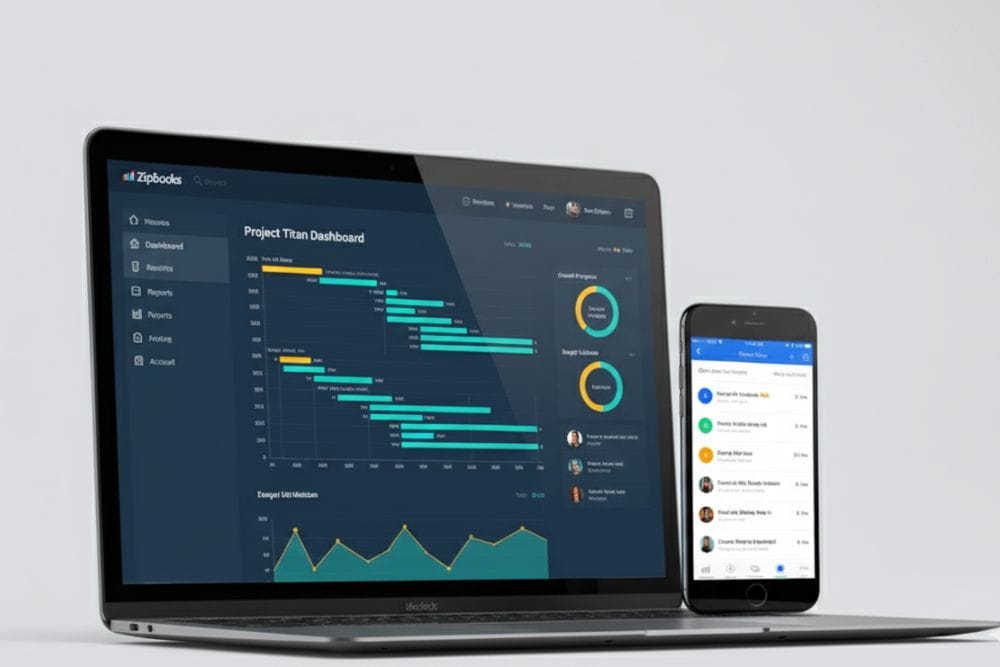
- Setting up dashboards for different teams
- Designing custom reports
This flexibility is essential for businesses that must follow specific workflows or regulatory requirements in the Omani market.
Step 3: Preparing and Migrating Data
Data migration is one of the most sensitive phases of the project. Before moving information into ERPNext, businesses need to clean existing records, remove duplicates, and ensure the accuracy of financial data, inventory quantities, customer details, and vendor lists.
A structured migration plan ensures that the transition is smooth and that the system starts with reliable information. This is crucial for maintaining trust in the new ERP system.
Step 4: Training Users and Testing the System
ERP success depends on how well employees adopt the new system. Role-based training ensures that each department understands the tools that apply to their daily tasks.
User Acceptance Testing (UAT) is also performed to verify whether all processes work correctly. It helps identify issues early and ensures the system meets business expectations before the final launch.
Step 5: Going Live and Monitoring Performance
Once training and testing are complete, the system moves into the go-live phase. During this stage, ERPNext becomes the primary operational platform. Companies monitor transactions, address early errors, and ensure users are comfortable with the new workflows.
Continuous monitoring and support during the first few weeks help stabilize the system and build confidence across the organization.
Key Local Considerations for Oman
Businesses in Oman need to ensure a few additional requirements are handled during implementation:
- VAT Setup
Accurate VAT configuration is essential to comply with Omani tax regulations. ERPNext supports tax templates, return reports, and audit-ready financial tracking.
- Hosting Choice
Companies can choose between cloud hosting and on-premise servers depending on cost, security needs, and scalability requirements.
- Arabic Language Support
ERPNext offers multilingual capability, which helps teams work comfortably in both English and Arabic.
Selecting the Right Implementation Partner
Choosing the right partner plays a major role in the success of the project. A reliable team brings experience in configuration, customization, training, and support. They also understand local market needs, regulatory requirements, and industry-specific challenges.
A strong implementation partner helps ensure long-term stability, seamless upgrades, and optimized performance after go-live.
For comprehensive digital solutions and an understanding of how powerful online platforms are crafted, explore what a best web design company can offer. Additionally, to delve deeper into the capabilities and community of ERPNext, an authoritative source like omanerp.com can provide valuable insights and connect you with local expertise.
Conclusion
ERPNext Implementation in Oman provides businesses with a powerful way to centralize operations, improve productivity, and support future growth. With proper planning, customization, training, and expert guidance, companies can unlock the full potential of this modern ERP system and build a strong foundation for digital transformation.
Related Posts
In today’s competitive business landscape, companies in Muscat are seeking innovative solutions to streamline operations, improve productivity, and enhance decision-making. Smart ERP Solutions in Muscat are becoming essential for modern businesses, offering integrated management of finance, inventory, HR, and customer relations. By leveraging these intelligent systems, organizations can reduce operational costs, boost efficiency, and gain…
In today’s highly competitive business landscape, small and medium enterprises (SMEs) in Oman face the challenge of managing their resources efficiently while staying ahead of market demands. One of the most effective ways to overcome this challenge is by implementing ERP solutions Oman. ERP systems integrate various business processes into a single, streamlined software environment,…

Oman retail shop website vs Instagram 2026 is the conversation every shop owner in Muscat, Salalah, and Sohar needs to have right now because the answer has shifted decisively in the past twelve months, and most retailers are still operating on assumptions that were only partially true three years ago and are now genuinely costing…