Future-Proofing Construction Business: Website Security and GDPR for GCC Companies
December 3, 2025

In today’s digital-first construction market, your website is more than an online brochure—it is a critical trust-building tool. With GCC clients, consultants, and government bodies demanding higher standards of data security, construction website security in the GCC is no longer optional. Whether your company operates in Oman, UAE, Saudi Arabia, Qatar, Bahrain, or Kuwait, protecting your digital presence is essential for winning contracts and safeguarding your reputation.
Why Website Security Matters for GCC Construction Companies
GCC construction companies handle sensitive information every day: project drawings, BOQs, tenders, contracts, client details, and supplier data. A single security breach can lead to:
- Loss of major B2B clients
- Legal penalties for data mishandling
- Damaged brand reputation
- Suspended tender participation
- Significant financial loss
With cyberattacks rising across the region, contractors, EPC firms, consultants, and suppliers must ensure that their websites follow modern security standards.
Key Security Risks Construction Companies Face Online
Construction businesses in the GCC are increasingly targeted by cybercriminals due to their high-value contracts. Common website risks include:
- Malware & Ransomware Attacks-Hackers can lock your data, demand payment, or compromise project information.
- Phishing & Fake Tender Emails-Attackers often impersonate consultants or clients to steal confidential data.
- Weak Website Hosting & Outdated CMS-Many construction websites run on outdated platforms with security loopholes.
- Unsecured Contact Forms & RFQ Submissions-Client data or uploaded files can be intercepted if not properly encrypted.
- Employee Access Mismanagement-Unauthorized access leads to accidental data leaks or internal security issues.
How GCC Construction Companies Can Strengthen Website Security
Implementing the following practices significantly improves your online safety:
- Use SSL Certificates (HTTPS)
- Secure Hosting With Regular Backups
- Update Your CMS & Plugins Regularly
- Implement Two-Factor Authentication (2FA)
- Protects admin areas from unauthorized access.
- Use Strong Password & Access Policies
- Encrypt All Client or Tender Submission Forms
Understanding GDPR for GCC Construction Companies
Even though GCC countries are not part of the EU, many GCC construction businesses still need GDPR compliance because:
- They work with international clients
- They handle sensitive personal data
- They handle foreign partnerships or JV projects
- They use global digital tools that require GDPR alignment
Key GDPR Principles Construction Companies Should Follow
- Collect only necessary client data
- Get consent for forms, newsletters, or RFQs
- Maintain transparent privacy policies
- Securely store and encrypt personal information
- Allow clients to request data removal or updates
Following GDPR helps GCC construction companies maintain global trust and meet international standards.
How Website Security Helps You Win More GCC Construction Projects
Government entities, consultants, and corporate clients in the GCC increasingly evaluate digital trust before awarding contracts. A secure website provides:
- Higher credibility during tender evaluations
- Improved reputation with global clients
- Reduced cyberattack risks
- Better online visibility and SEO ranking
- Stronger long-term client relationships
Security is not only a technical requirement—it is now a competitive advantage.
Future-Proofing Your Construction Business
By investing in strong construction website security, regular audits, and GDPR-aligned practices, GCC construction companies can protect their digital assets and build long-term trust. Whether you’re a builder, contractor, EPC firm, supplier, or engineering consultant, security improvements today will prevent costly issues tomorrow.
Related Posts

Oman National Day sales strategy is the single most underutilised growth opportunity in the Oman retail calendar, and the painful truth is that most shop owners in Muscat, Salalah, and Sohar repeat the same missed opportunity year after year, watching the season pass with a basic discount sign in the window while the businesses that…
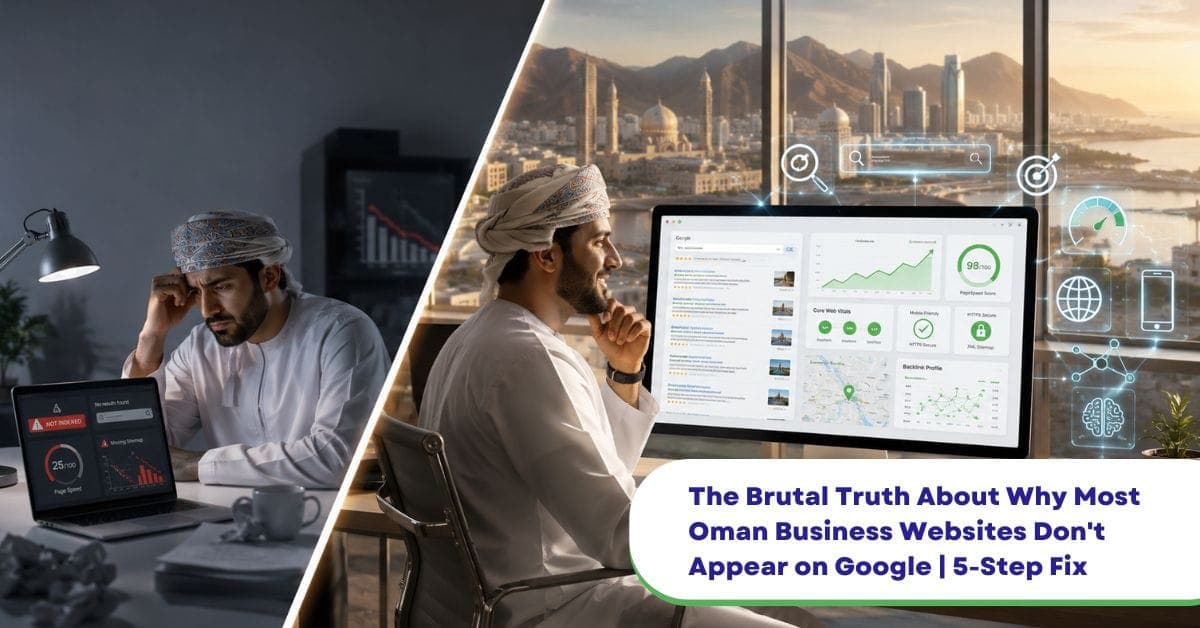
Why Oman business websites don’t appear on Google is one of the biggest frustrations for business owners across Muscat, Sohar, Salalah, Nizwa, and the rest of Oman. You’ve invested in a professionally designed website, purchased a domain, paid for hosting, and even shared your website on social media, but when potential customers search for your…

AI for small and medium businesses in Oman is no longer a concept reserved for large corporations with dedicated technology budgets and in-house data science teams. In 2025, artificial intelligence will have become accessible, affordable, and immediately practical for every SME operating across Muscat, Salalah, Sohar, and Nizwa, and the businesses adopting it now are…